

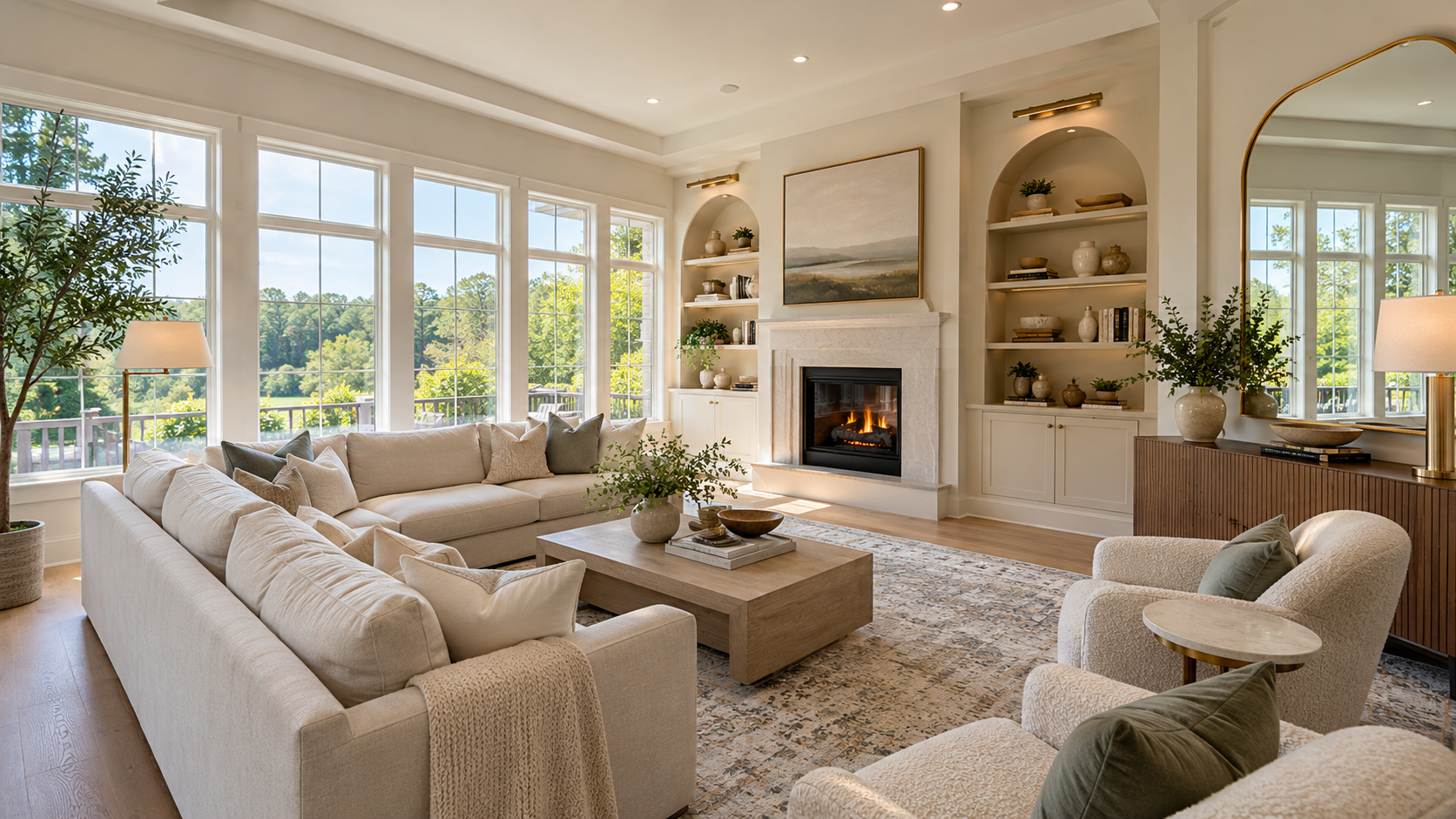
A bright, naturally lit home can feel more welcoming, comfortable and spacious. Sunlight brings out interior colors, highlights architectural features and helps connect indoor living spaces with the outdoors. It can also reduce the need for electric lighting during daylight hours.
However, many homeowners struggle with dark rooms, limited window space or layouts that prevent natural light from reaching the areas where it is needed most.
The good news is that improving natural light does not always require a major renovation.
To increase natural light in your home, start by keeping existing windows unobstructed, using mirrors to reflect daylight, choosing lighter interior finishes and allowing light to travel between rooms. When those changes are not enough, improvements to window glass, glass doors and interior glazing can provide additional options.
At Pro Glass Window Repairs, we help homeowners throughout Maryland, Northern Virginia and Washington, DC with residential window glass, custom mirrors, glass doors and other glass installations.
This guide explains practical ways to brighten your home, along with important considerations for comfort, privacy, safety and energy efficiency.
Why Is Natural Light Important in a Home?
Natural light contributes to more than appearance. Thoughtful daylighting can make rooms easier to use during the day and reduce reliance on electric lighting.
According to the U.S. Department of Energy, daylighting uses windows, skylights and building design to make better use of available daylight while managing heat and glare.
The benefits depend on the home’s layout, window performance, orientation and surrounding environment.
A Brighter and More Welcoming Interior
Daylight can make everyday spaces feel more open and inviting. It also helps reveal natural colors, textures and details that may appear muted under artificial lighting.
This is particularly valuable in living rooms, kitchens, entryways and home offices where comfortable lighting influences how a room is used.
Less Dependence on Artificial Lighting
Rooms that receive sufficient daylight may require less electric lighting during the day.
However, energy savings depend on how occupants use their lights, the efficiency of the installed bulbs and whether additional sunlight creates unwanted heating or cooling demands.
More sunlight is not automatically more energy-efficient. Successful daylighting balances visible light with temperature and glare control.
Better Connection to Outdoor Spaces
Well-positioned windows and glass doors help connect the interior of a home with a garden, patio or surrounding landscape.
Even a modest living room can feel more open when natural views remain visible and daylight reaches deeper into the space.
Support for Comfortable Daily Routines
Exposure to daylight can help people experience a more natural distinction between daytime and evening conditions. Bright daytime environments may also support visual comfort and daily routines.
However, specific health or productivity outcomes vary and should not be treated as guaranteed results of a glass installation.
The practical goal is to create a well-lit, comfortable living environment that works for the people using it.
10 Practical Ways to Increase Natural Light in Your Home
There is no single solution for every home. The best approach depends on where daylight enters, what blocks it and how the rooms are connected.
Some improvements involve simple adjustments. Others require professional glass work or remodeling.
1. Keep Existing Windows Clean and Unobstructed
Before planning expensive changes, inspect the windows that already provide daylight.
Dust, dirt, heavy curtains, oversized furniture and decorative objects can reduce the amount of usable light entering a room.
Cleaning the glass and moving furniture away from window openings may improve the room’s brightness without changing the building.
Also examine whether overgrown plants or exterior obstructions are limiting daylight. Any landscape changes should respect property rules, privacy and the need for summer shading.
For many homes, improving access to existing daylight is the simplest place to begin.
2. Install Custom Mirrors to Reflect Natural Light
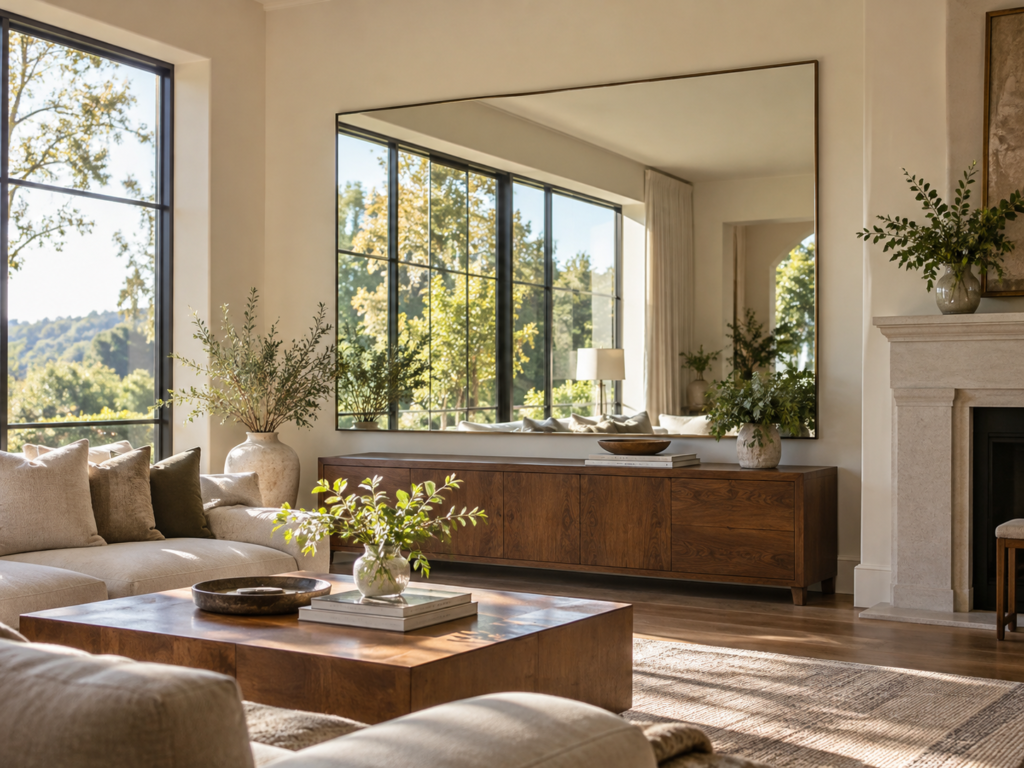
Mirrors are one of the most practical ways to distribute daylight around an interior.
A mirror does not create additional sunlight. Instead, it reflects light already entering the room, helping illuminate other surfaces and making the space feel brighter.
A large wall mirror positioned near or opposite a window may reflect both daylight and an outdoor view.
In a narrow hallway, a carefully placed mirror can make the space appear more open. In a bedroom or living room, a decorative mirror can serve both a functional and aesthetic purpose.
Placement matters. Avoid positioning mirrors where reflected sunlight creates uncomfortable glare on seating areas or television screens.
For homes with unusual wall dimensions or design requirements, custom-cut mirrors can provide more flexibility than standard retail sizes.
Pro Glass Window Repairs offers custom-cut mirror services for residential and commercial applications.
3. Choose Light-Colored Walls and Reflective Interior Finishes
Interior finishes influence how far daylight travels after entering a room.
Light-colored walls and ceilings generally reflect more visible light than very dark surfaces. Soft whites, warm neutrals and other lighter finishes can help distribute daylight more evenly.
A lighter ceiling is particularly useful because it can reflect light across a broader part of the room.
Furniture, flooring and decorative finishes also affect the overall impression of brightness.
You do not need an entirely white interior. The goal is to combine natural light sources with surfaces that distribute the available light comfortably.
Glossy materials can create strong reflections, so choose finishes that balance brightness with visual comfort.
4. Use Window Treatments That Let More Daylight Through
Window treatments are another important factor.
Heavy or dark curtains can block daylight even when they are partially open. In rooms where privacy is not the main concern, lighter curtains or adjustable blinds may allow more light to enter.
Sheer treatments can soften incoming daylight while maintaining a sense of openness.
For street-facing windows and bedrooms, adjustable window coverings can help homeowners balance privacy with natural illumination.
Remember that bright rooms are not always comfortable rooms. Direct afternoon sunlight may create glare or overheating, so flexibility is valuable.
A combination of light-filtering materials and adjustable shading often works better than leaving windows permanently uncovered.
5. Consider Interior Glass Doors
Interior doors can prevent daylight from moving between connected spaces.
For example, a bright living room may sit next to a darker hallway or office. A solid door blocks much of the borrowed light that could reach the adjacent room.
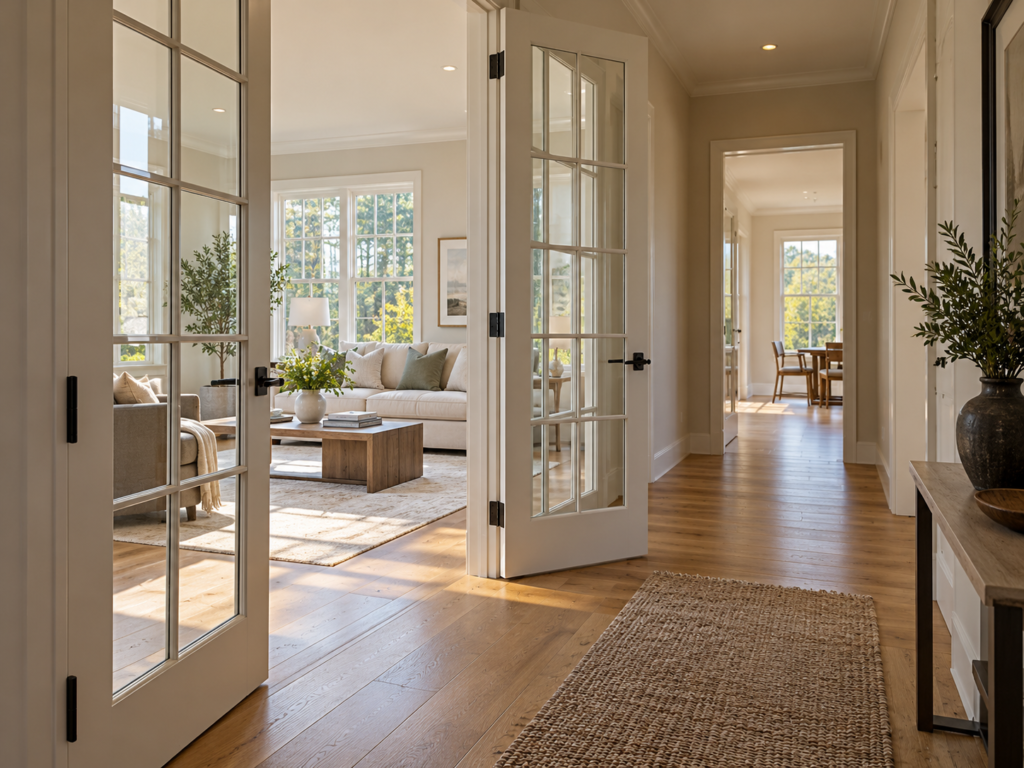
A glass-panel interior door can allow daylight to pass through while maintaining physical separation.
Depending on the layout, homeowners might consider French-style glass doors, sliding interior glass doors or doors with decorative glass inserts.
Clear glazing generally preserves the strongest visual connection. Frosted or patterned glass can provide greater privacy while transmitting a portion of the available light.
Glass doors must use glazing suitable for their application, including safety glazing where required.
If you are updating damaged or outdated glass doors, a professional assessment can help determine whether glass replacement or a larger door modification is appropriate.
Explore our residential glass services for window and door glass options.
6. Replace Damaged or Foggy Window Glass
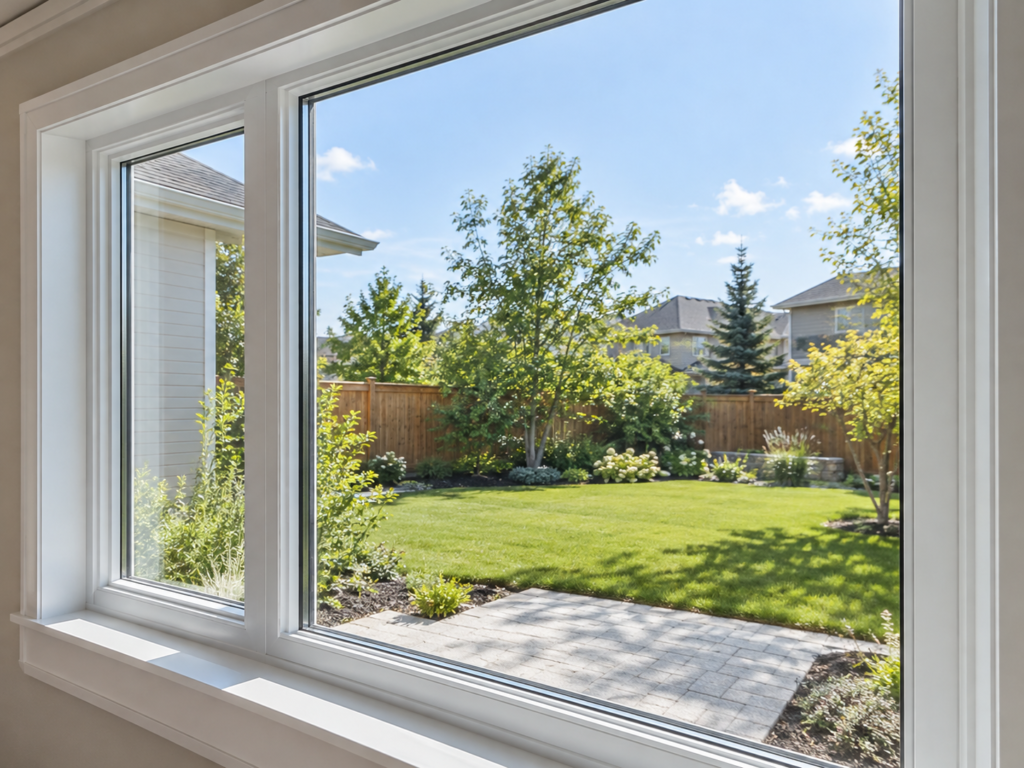
Windows can appear dull even when they are regularly cleaned.
One possible cause is moisture or haze trapped between the panes of a double-pane insulated glass unit.
This typically indicates a failure of the sealed glass unit. Because the moisture is inside the insulated cavity, cleaning the interior and exterior surfaces will not remove it.
Replacing a failed insulated glass unit can restore clearer views and improve the glazing system’s condition.
In many situations, the damaged glass unit can be replaced without removing the entire window frame, provided the existing sash and frame remain suitable.
However, replacement does not automatically increase the window’s size or guarantee a dramatic change in room brightness. The result depends on the condition of the original glass and the light-transmission characteristics of the replacement.
Our single-pane and double-pane glass services cover common residential glass replacement needs.
7. Understand Low-E Glass and Visible Light Transmission
When replacing residential window glass, homeowners should consider both energy performance and daylight.
Modern insulated windows may include Low-E coatings that help control heat transfer through the glazing.
Different Low-E products have different characteristics, and some allow more visible daylight through than others.
Three measurements are particularly useful:
Visible Transmittance (VT): Indicates how much visible light passes through a window assembly. Higher VT generally means more daylight enters.
Solar Heat Gain Coefficient (SHGC): Indicates how much solar heat passes through the window. Lower SHGC can help reduce unwanted summer heat gain.
U-Factor: Measures how readily heat passes through a window. Lower U-factors indicate better insulating performance.
The U.S. Department of Energy explains that Low-E coatings can be selected to manage heat transfer, solar gain and daylight transmission.
The best glass is not necessarily the one with the highest light transmission alone. A room exposed to intense afternoon sunlight may need stronger solar control than a shaded, north-facing room.
For replacement glass projects, ask about available glazing specifications and whether the new unit should match the existing windows.
8. Use Glass Partitions and Railings Where Appropriate
Interior layouts sometimes prevent daylight from reaching stairways, landings or rooms separated by solid walls.
Glass partitions can preserve visual separation while permitting light to move between connected areas.
Similarly, a properly designed glass railing may maintain open views around a staircase or landing compared with an opaque barrier.
These improvements can make a space feel more open, although the actual lighting effect depends on window locations and the design of the surrounding rooms.
Safety is essential.
Glass used in guards and railings must meet applicable structural, glazing and building-code requirements. Depending on the installation, approved tempered or laminated safety-glass assemblies may be required.
Glass railings should never be chosen solely for appearance without evaluating the required support system, loading conditions and local code requirements.
Pro Glass Window Repairs provides glass railing services for suitable projects.
9. Use Glass Furniture and Shelving to Preserve Open Sightlines
Opaque furniture can visually divide a room, particularly in smaller living areas.
Glass tabletops and shelving allow views through the furniture and can reduce the appearance of visual clutter.
For example, a glass coffee table may appear less imposing than a large solid table in a compact living room.
Glass shelves can also complement mirrors, lighter wall colors and other daylight-friendly design features.
These elements generally do not introduce additional daylight into the home. Their benefit is primarily visual: preserving openness and allowing existing light to move through an interior with fewer opaque obstacles.
Choose appropriate glass thickness, edge finishing, support hardware and safety specifications for furniture and shelving.
10. Consider Larger Openings, Skylights or Other Daylighting Upgrades
If a room remains dark after simpler improvements, a more substantial building modification may be worth investigating.
Possible options include increasing window area, introducing a new window opening, installing a skylight or using a tubular daylighting device.
These changes can introduce daylight where existing windows cannot provide enough.
However, they involve additional considerations such as structural support, roof waterproofing, permits, privacy, heat gain and ongoing maintenance.
Enlarging a window or adding a skylight is not simply a glass replacement project. It may require a licensed remodeling contractor, design professional or other qualified specialist.
Before choosing this route, identify the actual daylight problem and determine whether a less invasive change could meet the same goal.
Which Natural Light Improvements Should You Try First?
The most appropriate improvement depends on your budget, the room’s current conditions and whether you are willing to undertake construction.
| Improvement | Relative Project Complexity | Primary Benefit |
| Clean and uncover windows | Low | Make better use of existing daylight |
| Change curtains or blinds | Low | Reduce unnecessary daylight obstruction |
| Use lighter wall finishes | Low to moderate | Reflect available light |
| Install a custom mirror | Low to moderate | Redistribute light and improve perceived space |
| Add glass furniture | Low to moderate | Preserve visual openness |
| Replace foggy insulated glass | Moderate | Restore clarity and glazing performance |
| Install glass-panel doors | Moderate to high | Share daylight between rooms |
| Add glass partitions or railings | High | Reduce opaque visual barriers |
| Enlarge windows or add skylights | High | Introduce additional daylight through building changes |
These are relative planning categories, not fixed price estimates. Actual cost and complexity depend on the property, dimensions, materials and installation requirements.
For most homeowners, it makes sense to begin with inexpensive ways to improve existing daylight before considering major remodeling.
How to Brighten Different Rooms in Your Home
Different rooms present different challenges, so daylighting improvements should match how each space is used.
Living Rooms
A living room may benefit from larger mirrors, lighter window treatments and furniture layouts that avoid blocking exterior glass.
If the room opens onto a patio, maintaining clear and properly functioning patio-door glass can preserve views and existing daylight.
Bedrooms
Bedrooms require a balance between brightness and privacy.
Light-filtering curtains, adjustable blinds and carefully positioned mirrors can make better use of daylight without removing the ability to darken the room for sleep.
Kitchens
Kitchens often have cabinets and other fixed elements that restrict the available wall space.
Lighter finishes, reflective backsplash materials and keeping existing windows unobstructed may help distribute the light already entering the room.
Hallways and Staircases
Hallways frequently have few direct window openings.
Glass-panel doors, transoms where structurally and legally appropriate, and mirrors positioned to reflect light from nearby rooms can help improve their appearance.
For major changes involving stairway railings or walls, professional design and safety assessment are essential.
Home Offices
A home office needs comfortable daylight without excessive screen glare.
Positioning a desk beside a window rather than directly facing strong sunlight may provide useful natural illumination while reducing reflections on a computer display.
Adjustable shading is especially helpful when sunlight changes throughout the day.
What Should Homeowners Know Before Replacing Window Glass?
A glass replacement project should address more than appearance.
The first step is determining whether the existing window frame is suitable for glass-only replacement.
If the frame is damaged, poorly sealed or distorted, simply installing new glass may not resolve the underlying problem.
When replacement is appropriate, the technician should assess the required dimensions, thickness, glazing type and any existing coatings.
For insulated windows, it may also be important to match the original unit’s appearance, spacer configuration, Low-E properties and performance characteristics.
Safety glazing requirements must be considered for specific locations, including doors and other hazardous areas.
In condominiums and managed properties, exterior appearance or replacement specifications may also be subject to building or association requirements.
A professional assessment helps determine which glass options are suitable for the existing opening.
Improving Natural Light in Maryland, Virginia and Washington, DC Homes
Homes across the DMV area vary widely in age, construction and window design.
An older Alexandria or Washington, DC home may have wood sash windows and smaller openings, while a modern townhouse in Bethesda, Rockville or Fairfax may use larger insulated glass units and sliding patio doors.
Those differences matter when planning glass improvements.
For older windows, the priority may be repairing damaged glass and preserving a usable sash. For newer windows, the goal may be replacing failed insulated glass units, maintaining clear views or selecting appropriate glass specifications.
Interior improvements, such as custom mirrors or glass features, can offer additional ways to brighten living spaces without changing the exterior of the building.
Pro Glass Window Repairs serves residential customers across Maryland, Northern Virginia and Washington, DC.
Explore our local glass services:
- Maryland Window Glass Repair
- Virginia Window Glass Repair
- Washington, DC Window Glass Repair
- Alexandria Window Glass Repair
Our physical office and shop are located at 4901 Seminary Road, Alexandria, VA 22311. Homeowners throughout our service area can contact the team to discuss their glass repair, replacement or custom mirror needs.
Frequently Asked Questions About Increasing Natural Light
1. What is the easiest way to increase natural light in a room?
Start by cleaning the windows, opening curtains, removing obstructions and rearranging furniture that blocks incoming daylight. Light-colored interior finishes and mirrors can help distribute the light already available.
2. Where should I place a mirror to reflect the most natural light?
A mirror near or opposite a window can reflect daylight into other parts of the room. The ideal location depends on the window position and should avoid creating distracting glare.
3. Can mirrors make a dark room brighter?
Yes. Mirrors can redirect existing light and make a room appear brighter and more spacious. However, they do not generate light, so their effectiveness depends on available daylight and placement.
4. Do glass doors allow more natural light into a home?
Glass-panel doors can allow daylight to pass between connected rooms. They are especially useful when one room receives direct natural light and an adjacent room has limited exterior windows.
5. Can replacing window glass improve natural light?
It can, particularly when existing glass is cloudy, damaged or has unsuitable light-transmission properties. The amount of improvement depends on the original glass, replacement specifications and window design.
6. Does Low-E glass block natural light?
Low-E coatings affect the transmission of heat and visible light, but different products perform differently. Many Low-E glass options allow useful daylight while helping control unwanted heat transfer.
7. What is visible transmittance in window glass?
Visible transmittance, or VT, describes the fraction of visible light passing through a glazing product or window assembly. A higher VT generally means more visible daylight enters.
8. Can natural light reduce electricity bills?
It may reduce daytime electric lighting use. Overall energy savings depend on lighting behavior, window performance, heating and cooling demands, and the home’s orientation and shading.
9. Are glass railings safe for residential staircases?
Properly designed and installed glass railing systems can meet applicable safety requirements. The glass type, supporting structure, installation method and building-code compliance must all be assessed.
10. Are frosted glass doors good for natural lighting?
Frosted glass can transmit diffuse daylight while improving privacy. The amount of light transmitted depends on the glazing material and finish, so it may differ from clear glass.
11. Can I replace a foggy double-pane window without changing the whole frame?
Often, yes. If the sash and frame remain in good condition, the failed insulated glass unit may be replaced separately. An inspection is needed to confirm compatibility and measurements.
12. Does increasing window size require a permit?
It may. Enlarging an existing opening can involve structural work and local permit requirements. Homeowners should confirm applicable rules and consult qualified building professionals before changing the opening.
Create a Brighter Home With the Right Glass Solutions
Increasing natural light is not always about installing the largest possible window. In many homes, thoughtful use of mirrors, clear glazing, glass doors and existing daylight can make a meaningful difference.
The best approach combines visual comfort, practical design and suitable glazing performance.
For some rooms, a custom mirror or a change in window treatments may be enough. For others, repairing damaged glass or replacing a failed insulated glass unit can restore clear views and improve the condition of the window.
At Pro Glass Window Repairs, we help homeowners throughout Maryland, Northern Virginia and Washington, DC with residential window glass repair, glass replacement, custom mirrors and related glass services.
Planning a window glass or custom mirror project?
Call (202) 710-0250 or contact Pro Glass Window Repairs to discuss your project and request a free quote.
Research and Reference Sources
The article’s technical guidance is supported by the following resources:
- U.S. Department of Energy — Natural Light and Daylighting — Daylight availability, glare, heat gain and building design.
- U.S. Department of Energy — Window Types and Technologies — Insulated glazing, Low-E coatings and window technologies.
- U.S. Department of Energy — Energy 101: Daylighting — Daylighting strategy and energy-related considerations.
- U.S. Department of Energy — Energy-Efficient Residential Windows — U-factor, visible transmittance and solar heat gain.
These sources support general daylighting and glazing principles. They do not establish a specific performance improvement or energy saving for an individual home.
